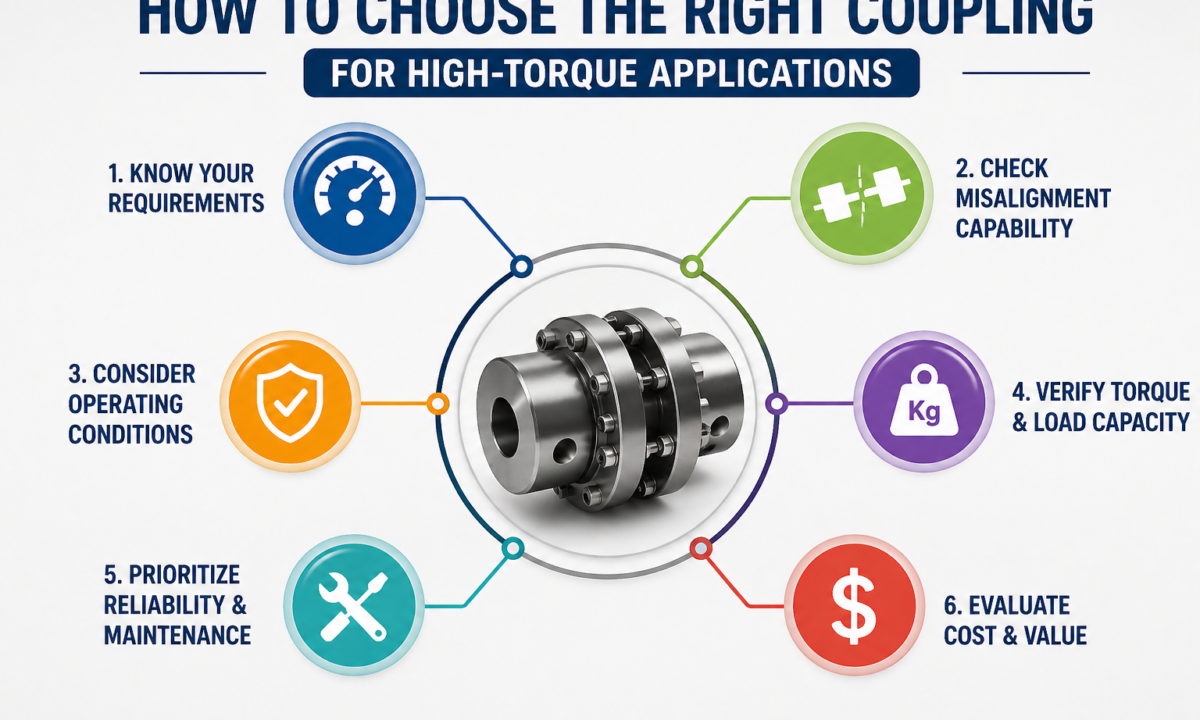
How to Choose the Right Coupling for High – Torque Applications
Introduction
Couplings look easy to choose on paper. You look at the specs, compare a few options and choose what appears to be the best coupling for your machine.
But when you get into the high-torque applications, things get a lot more practical and a lot more real.
Loads change, alignment moves, and machines don’t always perform as they should. That’s why selecting the right coupling is not just about specs, it’s about understanding how your system actually operates in the field.
Do it right and your machine will last for years.
If not, you’ll be dealing with more breakdowns than you want to.
Start With Understanding Your Application
Before you even start thinking about types or materials, take a step back.
Think about :
- Is the load constant or variable?
- Do you have sudden shocks or spikes?
- Is it perfectly stable in its position?
- In high torque setups the conditions are almost never perfect.
Here is where the difference between an average choice and the right coupling comes in.
Torque Matters – But Behavior Matters More
Most people only care about the torque rating. ‘That’s not enough.
There is always:
- Operating torque normal
- Maximum torque or shock torque
If you only select your coupling for normal conditions the time your system has a sudden load spike your coupling could fail.
Thus, the most practical coupling is one that is capable of doing more than the average but is also capable of handling peaks comfortably.
A good rule of thumb is to select 1.5 to 2 times your operating torque minimum.
Choosing the Right Type of Coupling
Different types of couplings behave very differently under high torque.
- Gear couplings are renowned for handling heavy loads and are often regarded as the top coupling choice for industrial applications requiring high torque.
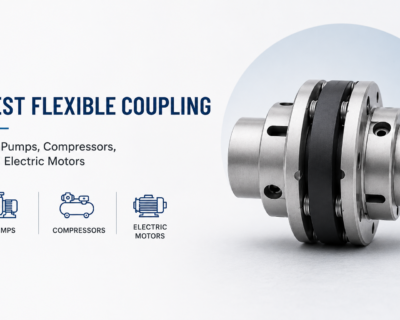
- Flexible couplings can absorb shock and vibration, making them useful for systems that aren’t perfectly stable.
- Rigid couplings are strong but require exact alignment, which is not always convenient.
Right and Left Coupling Configurations. If your system requires directional rotation or has some specific installation needs, you may see right and left coupling configurations. These are used when the direction of rotation or threading orientation is important, especially in specialized machinery installations.
Thus, the goal is not to select the popular option, but the correct coupling for your specific operating conditions.
Misalignment Is Inevitable
Even if you have everything installed perfectly, the alignment won’t be perfect forever.
There may be:
- Angular shifts
- Parallel misalignment
- Axial movement
If a coupling can’t do this, it will transfer stress to bearings and shafts, causing more rapid wear.
That is why when selecting the correct coupling for actual operating conditions, flexible or geared designs are commonly favored.
Don’t Ignore Shock and Vibration
Systems with high torque don’t always run smoothly.
There are:
- Fast starts
- Different amounts of weight
- Vibrations from devices that are linked
If your coupling can’t handle this, the stress goes right into your machine.
In these situations, the best coupling is one that is not only strong but also absorbs shocks and cuts down on vibrations.
Speed and Torque Need to Work Together
People often think that high torque means low speed, but that’s not always the case.
Some machines can carry heavy loads and still work quickly. This combination makes things hotter and more stressful.
So, always check the following when picking a coupling:
- Limits on speed (RPM)
- Performance when load and speed are combined
Over time, ignoring this can make things less efficient.
Material and Durability
Most people don’t realize how important material is.
For applications with a lot of torque:
- Steel-based couplings are strong and last a long time.
- Materials that don’t rust are better for harsh environments.
The right coupling should be able to handle dust, moisture, and chemicals without breaking down quickly.
Maintenance – Be Practical
Some couplings need to be checked and lubricated on a regular basis. Some are made to need little care.
There isn’t a single answer that works for everyone.
If your business can’t afford to be down for long periods of time, choose something that needs less care. If performance is your top priority, you might want to go with a more heavy-duty option and take care of maintenance as needed.
The best coupling is the one that works with both your machine and your ability to fix it.
Common Mistakes to Avoid
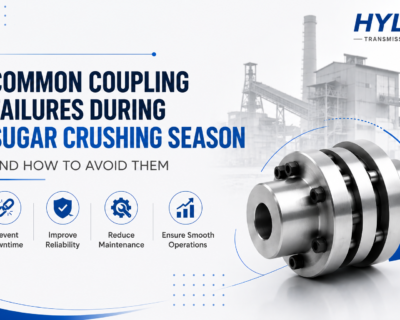
Most problems don’t come from bad products; they come from making the wrong choice.
Stay away from:
- Picking a coupling just because it’s cheaper
- Not paying attention to peak torque conditions
- Assuming that alignment will stay perfect
Not taking into account the specific needs of the application, such as the orientation of the right and left coupling
These little mistakes can cause bigger problems later on.
A Simple Way to Finalize Your Choice
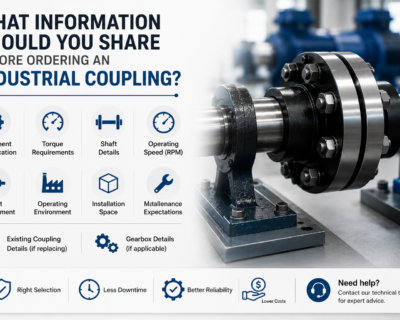
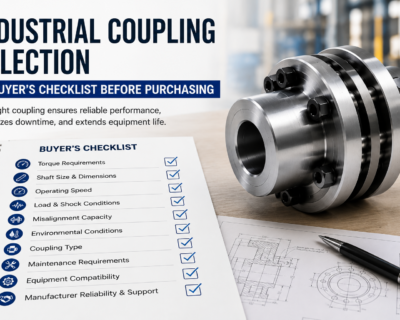
If you’re still not sure, just answer these:
- How much torque can your system handle at most?
- Will things get out of alignment over time?
- Do you feel shocks or vibrations?
- What speed do you run at?
- Do you want a standard or a right and left coupling setup?
Once these are clear, it will be much easier to choose the right coupling.
Final Thoughts
It’s not just about picking the strongest coupling for high-torque applications; it’s also about picking the right one.
The best coupling is one that works well without breaking down often or needing constant attention.
Choosing the right coupling not only boosts performance but it also cuts down on downtime, saves money, and makes your whole system more reliable.
FAQs
- Which is the best coupling for high torque?
Gear couplings are often considered the best coupling due to their high load capacity and durability. - What is meant by right and left coupling?
It usually refers to coupling designs or configurations based on rotational direction or thread orientation in specific applications. - Can one coupling handle both torque and vibration?
Yes, some flexible designs are built to manage both effectively. - How do I know if I’ve chosen the right coupling?
If your system runs smoothly without excessive wear, vibration, or frequent maintenance issues, you’ve likely made the right choice.