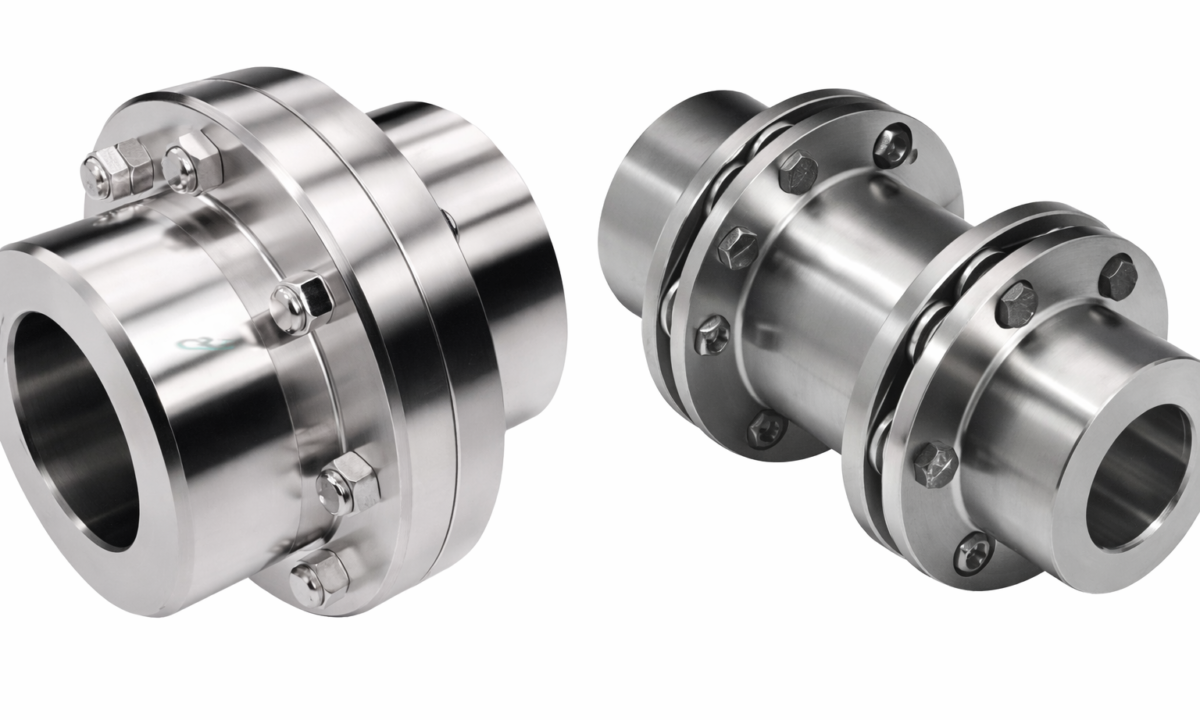
How to Select the Right Industrial Coupling for Your Motor and Gearbox ?
For industrial machinery to transfer power effectively, the gearbox and motor must cooperate. A coupling is the part that joins these two components.
Despite its seemingly insignificant size, a coupling is crucial to the smooth operation of machines. Selecting the optimal coupling lowers vibration, enhances machine performance, and guards against damage to the motor and gearbox.
Reduced equipment life, higher maintenance costs, and machine failure can result from using the incorrect coupling. Industries can avoid these issues by knowing how to choose the appropriate coupling.
What Is an Industrial Coupling?
A mechanical device called a coupling is used to join two rotating shafts. It joins the motor shaft to the gearbox shaft in the majority of industrial systems.
A coupling’s primary function is to transfer torque from the motor to the gearbox while permitting a small amount of shaft movement.
Main functions of a coupling
- Principal roles of a coupling
- transfers motor power to the gearbox
- permits minor misalignment of the shaft
- lowers shock loads and vibration
- shields machine parts from harm
Without a proper coupling, power transmission can become unstable and damage important parts of the machine.
Why Is It Important to Select the Best Coupling?
Industrial machines frequently operate nonstop for extended periods of time. The coupling needs to be robust and dependable as a result.
There are various advantages to choosing the ideal coupling:
- Smooth power transfer
- less noise and vibration
- longer motor and gearbox life
- Enhanced machine performance
- Reduced maintenance expenses
Couplings are therefore frequently utilized in sectors like manufacturing, mining, cement manufacturing, and power generation.
Important Things to Take Into Account When Choosing a Coupling
Many technical aspects pertaining to the machine and operating environment influence the choice of coupling.
1. Capacity for Torque
The rotational force generated by the motor and transferred to the gearbox is known as torque. This torque must be safely handled by the coupling. A coupling with a torque rating greater than the machine’s operating torque should always be chosen.
2. Misalignment of the Shaft
Motor and gearbox shafts are rarely precisely aligned in actual industrial settings. Small alignment differences like these should be accommodated by a good coupling.
- Angular misalignment
- Parallel misalignment
- Axial movement
These alignment problems are frequently addressed with flexible couplings.
3. Speed of the Machine
The choice of coupling is also influenced by the machine’s speed. Couplings that are balanced and able to operate smoothly without vibration are necessary for high-speed applications.
4. The Workplace
Dusty conditions are among the harsh environments in which industrial machines may operate.
- Elevated temperatures
- Humidity or moisture
- Exposure to chemicals
To ensure durability, the coupling’s design and material should be appropriate for the surroundings.
5. Maintenance Requirements
While some couplings are made to be maintenance-free, others need to be lubricated and maintained on a regular basis. Choosing the appropriate coupling can increase productivity and decrease downtime.
Common Types of Couplings Used with Gearboxes
Different industries use different types of couplings depending on their machinery.
- Gear Coupling
Gear couplings are strong and designed for heavy-duty machines. They can transmit high torque and are commonly used in steel plants, mining equipment, and large industrial drives.
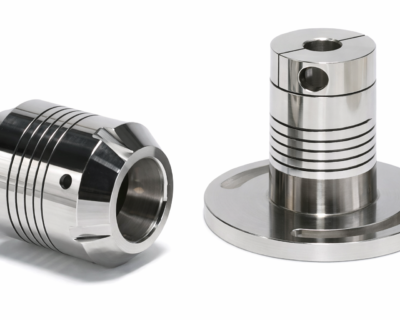
- Flexible Coupling
Flexible couplings help absorb vibration and shock loads. They are commonly used in pumps, compressors, and general industrial machinery.
- Pin Bush Coupling
Pin bush couplings use rubber bushes to absorb vibration and allow small shaft movements.
- Lovejoy Coupling
Lovejoy couplings use elastomer inserts that provide flexibility and smooth power transmission. Choosing the best coupling depends on the application and operating conditions.
Common Mistakes When Choosing a Coupling
Many industries choose a coupling without fully understanding their machine requirements.
Some common mistakes include:
- Choosing a coupling based only on price
- Ignoring torque requirements
- Not checking shaft alignment
- Selecting a coupling unsuitable for the environment
Avoiding these mistakes helps improve machine reliability.
Conclusion
A coupling is a critical component that connects the motor and gearbox in industrial machinery. Selecting the best coupling ensures smooth power transmission, reduces vibration, and protects important machine parts.
By considering factors such as torque capacity, alignment, speed, and operating conditions, industries can select the right coupling for their equipment.
The right coupling not only improves performance but also increases the lifespan of the motor and gearbox while reducing maintenance costs.
Frequently Asked Questions (FAQ)
Q1. What is the purpose of a coupling in a gearbox system?
A coupling connects the motor shaft to the gearbox shaft and transfers power between them while allowing small alignment differences.
Q2. How do I choose the best coupling for my machine?
To select the best coupling, consider factors such as torque capacity, shaft alignment, machine speed, operating environment, and maintenance requirements.
Q3. Which coupling is best for heavy-duty industrial applications?
Gear couplings are commonly used in heavy-duty applications because they can transmit high torque and handle demanding operating conditions.
Q4. Can couplings reduce machine vibration?
Yes. Flexible couplings are designed to absorb shocks and reduce vibration between the motor and gearbox.