The Hidden Science Behind Gearboxes: What Most Buyers and Engineers Overlook
When people look up the cost of a gearbox or compare automatic and manual gearboxes, they typically concentrate on the obvious distinctions.
The majority of gearbox failures, inefficiencies, and needless expenses, however, are not caused by the gearbox itself; rather, they result from incorrect understanding and poor selection.
This blog is more than a synopsis. It’s about what really counts when selecting and utilizing a gearbox in practical settings.
Why Gearbox Selection Is Often Done Wrong
Gearboxes are chosen in a variety of industries based on:
- Cost and Availability
- Basic requirements
And that’s where the issue begins.
Inconsistencies in gearbox ratio, load circumstances, or even minor elements such as gearbox bearing quality can result in:
- Loss of energy
- Regular malfunctions
- shorter machine life
So instead of asking “What is the best gearbox?”, the better question is:
“What is the right gearbox for my exact application?”
Beyond Types: What Actually Differentiates Gearboxes
Indeed, you are familiar with these :
- manual gearbox.
- motor gearbox
- automatic gearbox
- helical gearbox
You have control with a manual gearbox, but it also relies on human accuracy. That reliance is eliminated by an automatic gearbox, which makes it more reliable but also more complicated. The decision is based on control, convenience, and application needs rather than “better or worse.”
Gearbox: Manual vs. Automatic
A manual gearbox gives you control, but it also depends on human accuracy. An automatic gearbox removes that dependence, making it more dependable but also more intricate. Control, ease of use, and application requirements are taken into consideration instead of “better or worse.”
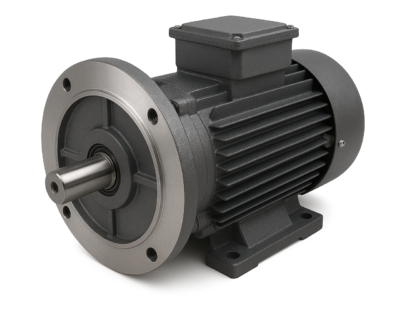
Motor Gearbox: Compact but Critical
A motor gearbox is an essential part of automation, despite its seeming simplicity. Robotics and conveyor systems can be affected by even a minor gearbox inefficiency:
- Reliability in speed
- Utilization of energy
- output quality
Helical Gearbox: Smooth Isn’t Just Comfort
Because of its quiet and smooth operation, a helical gearbox is frequently selected.
However, what is typically overlooked is that, over time, it reduces wear by more effectively distributing the load. Because of this, it is frequently utilized in industrial gearbox applications where machines operate continuously.
The Role of Gearbox Parts: Small Components, Big Impact
Although most people concentrate on the gearbox as a whole, its smallest parts frequently determine its performance.
Important gearbox components consist of:
- Equipment
- Shafts and Seals
- Bearings
The gearbox bearing is one of the most important and often overlooked of these.
A low-quality bearing can:
- Increase friction
- Cause overheating
- Lead to early failure
In many cases, what looks like a “gearbox problem” is actually a bearing issue.
Gearbox Ratio: The Most Misunderstood Factor
The gearbox ratio is one item that is frequently disregarded.
Individuals either:
- Copy the specifications from a different configuration.
- Or make a decision based on speculation
However, the gearbox ratio directly regulates:
- Speed of output
- Generation of torque
- Energy effectiveness
In addition to lowering performance, an incorrect ratio eventually raises operating costs.
Gearbox Price vs Long-Term Cost
Let’s discuss a useful topic: Gearbox price.
The majority of purchasers aim to lower upfront costs.
However, this is what typically occurs:
- Cheaper gearbox → Higher maintenance
- Frequent repairs → More downtime
- Energy inefficiency → Higher electricity bills
So the real question isn’t:
“What is the gearbox price?”
It’s: “What is the total cost of running this gearbox?”
Why Choosing the Right Gearbox Manufacturer Matters
The Importance of Selecting the Correct Gearbox Manufacturer. Manufacturers of gearboxes differ from one another. A trustworthy manufacturer does more than just sell goods; they:
- Assist you in selecting the appropriate configuration
- Verify the gearbox parts’ quality
- Offer sustained assistance
For industrial gearbox systems, where failure can halt entire operations, this becomes particularly crucial.
What Smart Buyers Do Differently
Smart purchasers consider application fit in addition to specifications.
- What load will this gearbox be able to handle daily?
- What kind of environment will it function in?
- How important is downtime?
And above all: After two or three years, will this gearbox still operate effectively?
Final Thoughts
Gearboxes are often treated as standard components, but in reality, they are performance drivers.
Whether you’re choosing between a manual gearbox and an automatic gearbox, selecting a motor gearbox, or evaluating a helical gearbox, the decision should never be rushed.
Although they are frequently regarded as standard parts, gearboxes actually affect performance.
The decision should never be made hastily, whether you’re evaluating a helical gearbox, choosing a motor gearbox, or deciding between a manual gearbox and an automatic gearbox.
Because in the long run:
- The right gearbox improves efficiency
- The wrong one increases the cost
And that’s the difference between a smooth operation and a constant headache.