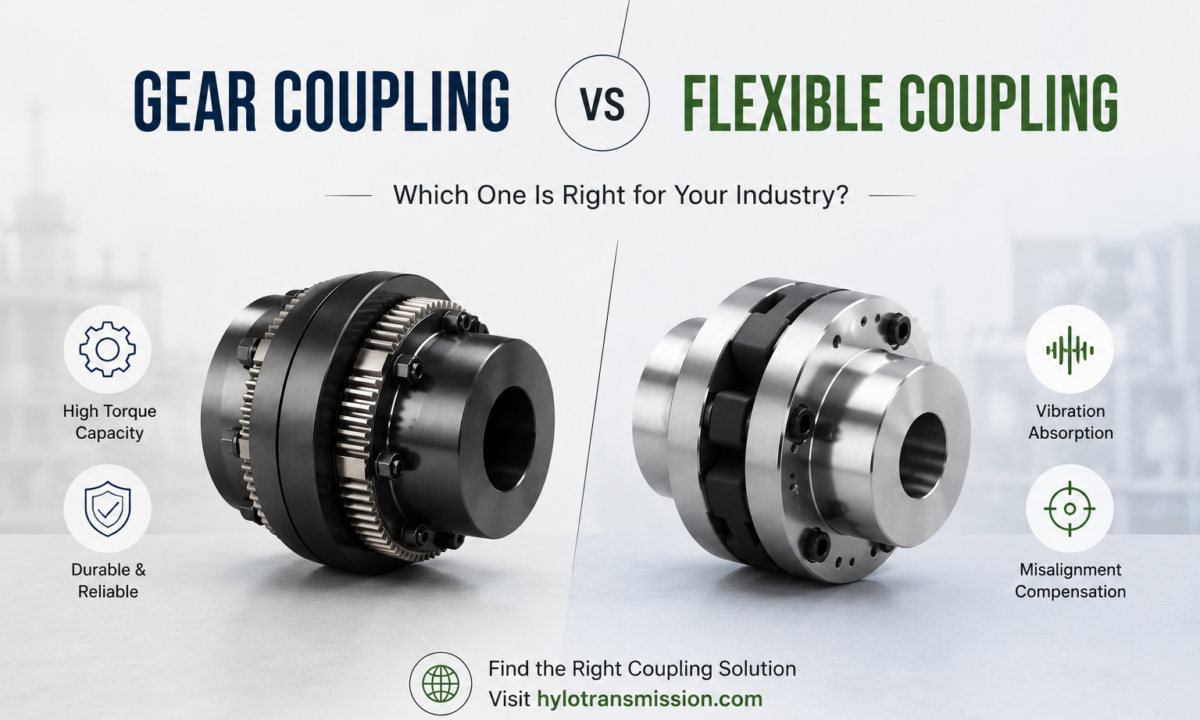
Gear Coupling vs Flexible Coupling: Which One Is Right for Your Industry?
Industrial machinery relies heavily on efficient power transmission systems to maintain productivity, reduce downtime, and ensure long-term operational reliability. Among the most commonly used power transmission components are Gear Couplings and Flexible Couplings. While both serve the fundamental purpose of connecting rotating shafts and transmitting torque, their design, performance characteristics, and applications differ significantly.
Selecting the right coupling is critical because the wrong choice can lead to excessive vibration, premature equipment wear, misalignment issues, and costly production losses.
In this guide, we’ll compare Gear Couplings and Flexible Couplings, helping plant managers, maintenance engineers, and procurement teams determine which solution best fits their industrial applications.
What Is a Gear Coupling?
A Gear Coupling is a mechanical coupling that uses externally toothed hubs and internally toothed sleeves to transmit torque between two shafts.
These couplings are widely known for their:
- High torque transmission capability
- Ability to handle heavy shock loads
- Long service life
- Suitability for demanding industrial environments
Gear couplings are commonly used in:
- Cement plants
- Steel plants
- Sugar mills
- Mining operations
- Material handling systems
- Heavy-duty conveyors
What Is a Flexible Coupling?
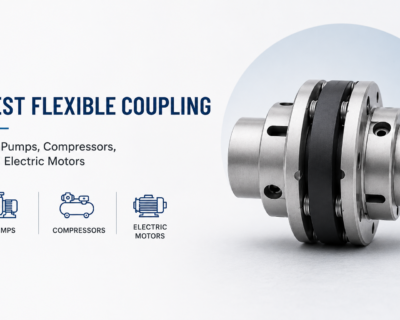
A Flexible Coupling is designed to connect two shafts while accommodating varying degrees of misalignment, vibration, and shock. Unlike gear couplings, flexible couplings use elastomeric or flexible elements that help absorb operational stresses.
Key advantages include:
- Reduced vibration transmission
- Better misalignment compensation
- Lower maintenance requirements
- Smooth operation
Flexible couplings are commonly found in:
- Pumps
- Fans
- Compressors
- Blowers
- Light to medium-duty conveyors
- HVAC systems
Gear Coupling vs Flexible Coupling: Quick Comparison
| Feature | Gear Coupling | Flexible Coupling |
| Torque Capacity | Very High | Moderate |
| Shock Load Resistance | Excellent | Good |
| Misalignment Handling | Moderate | Excellent |
| Vibration Absorption | Limited | Excellent |
| Maintenance Requirement | Moderate | Low |
| Heavy-Duty Applications | Ideal | Limited |
| High-Speed Applications | Suitable | Suitable |
| Service Life | Long | Moderate to Long |
When Should You Choose a Gear Coupling?
Gear Couplings are typically the preferred choice when machinery operates under:
High Torque Loads
Heavy industrial equipment requires robust torque transmission capabilities that gear couplings can provide.
Severe Operating Conditions
Industries dealing with:
- Dust
- Heat
- Heavy loads
- Continuous operation
Often rely on gear couplings for reliability.
Shock Loading Applications
Applications such as crushers, rolling mills, and sugar mill drives frequently experience sudden load variations where gear couplings perform exceptionally well.
Common Gear Coupling Applications
| Industry | Application |
| Cement | Kilns, Crushers, Conveyors |
| Steel | Rolling Mills, Drives |
| Mining | Crushers, Conveyors |
| Sugar | Cane Crushers, Mill Drives |
| Material Handling | Heavy-Duty Conveyors |
When Should You Choose a Flexible Coupling?
Flexible couplings are generally preferred when machinery requires:
Better Misalignment Compensation
Small alignment variations are common in industrial equipment. Flexible couplings help reduce stress caused by:
- Angular misalignment
- Parallel misalignment
- Axial movement
Reduced Vibration
Pumps, fans, and compressors often benefit from vibration damping characteristics.
Lower Maintenance
Because of their simpler design, many flexible couplings require less maintenance compared to gear couplings.
Common Flexible Coupling Applications
| Industry | Application |
| Water Treatment | Pumps |
| HVAC | Fans & Blowers |
| Manufacturing | Compressors |
| Process Industries | Agitators |
| Utilities | General Purpose Drives |
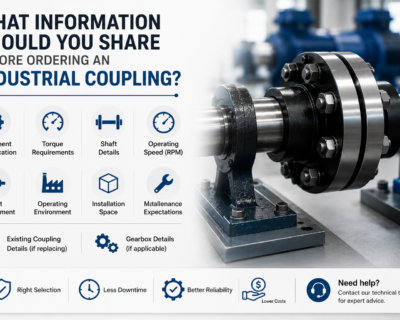
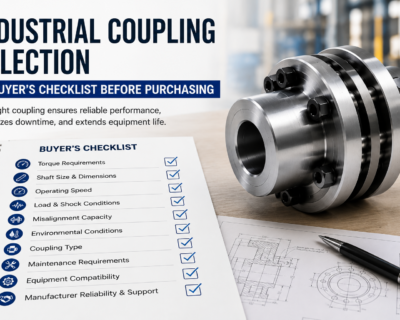
Factors to Consider Before Selecting a Coupling
Before choosing between a Gear Coupling and a Flexible Coupling, consider the following:
1. Torque Requirements
Higher torque applications generally favor gear couplings.
2. Shaft Misalignment
Applications with frequent alignment challenges may benefit from flexible couplings.
3. Operating Environment
Harsh industrial environments often require more robust coupling designs.
4. Maintenance Requirements
Consider lubrication needs, inspection schedules, and replacement intervals.
5. Equipment Criticality
For mission-critical operations, coupling reliability should be a primary consideration.
Common Mistakes When Choosing Industrial Couplings
Many facilities experience premature coupling failures due to:
- Selecting couplings based only on cost
- Ignoring torque requirements
- Underestimating shock loads
- Failing to account for shaft misalignment
- Choosing the wrong coupling type for the application
A proper evaluation of operating conditions helps maximize equipment reliability and reduce maintenance costs.
Which Coupling Is Better?
The answer depends entirely on your application.
Choose a Gear Coupling If:
✔ High torque transmission is required
✔ Equipment experiences shock loads
✔ Heavy-duty industrial applications are involved
✔ Long-term durability is a priority
Choose a Flexible Coupling If:
✔ Vibration reduction is critical
✔ Shaft misalignment is common
✔ Maintenance needs must be minimized
✔ Light to medium-duty applications are involved
Neither coupling is universally better—the best choice depends on the operational requirements of your equipment.
Final Thoughts
Both Gear Couplings and Flexible Couplings play an essential role in industrial power transmission systems. Selecting the right coupling can improve equipment reliability, reduce maintenance costs, minimize downtime, and extend machinery life.
For industries seeking dependable coupling solutions for heavy-duty and industrial applications, explore the range of coupling products available from Hylo Transmission. From robust Gear Couplings to versatile Flexible Couplings, Hylo Transmission provides engineered power transmission solutions designed to meet the demands of modern industries.
Ready to find the right coupling for your application? Visit theContact Us Page and connect with the team for expert guidance and product recommendations.
FAQs
What is the main difference between a Gear Coupling and a Flexible Coupling?
Gear Couplings are designed for high torque and heavy-duty applications, while Flexible Couplings focus on vibration reduction and misalignment compensation.
Which coupling is better for heavy industrial machinery?
Gear Couplings are generally preferred for heavy-duty machinery operating under high torque and shock load conditions.
Are Flexible Couplings maintenance-free?
While they typically require less maintenance than Gear Couplings, regular inspection is still recommended.
Can Gear Couplings handle shaft misalignment?
Yes, Gear Couplings can accommodate limited shaft misalignment, but Flexible Couplings generally provide greater flexibility in this area.